

The Allure of Chance: Understanding Risk-Taking Behavior
At the core of casino gaming lies the intrinsic human attraction to risk and uncertainty. The thrill of placing a bet and the potential for winning big can create a powerful rush. This excitement is often likened to the adrenaline surge experienced in extreme sports. The unpredictability of outcomes not only adds an exhilarating layer to the experience but also ignites a sense of hope among players, who may believe that luck is on their side. In the search for excitement, many are drawn to online poker real money options that promise the thrill of victory.
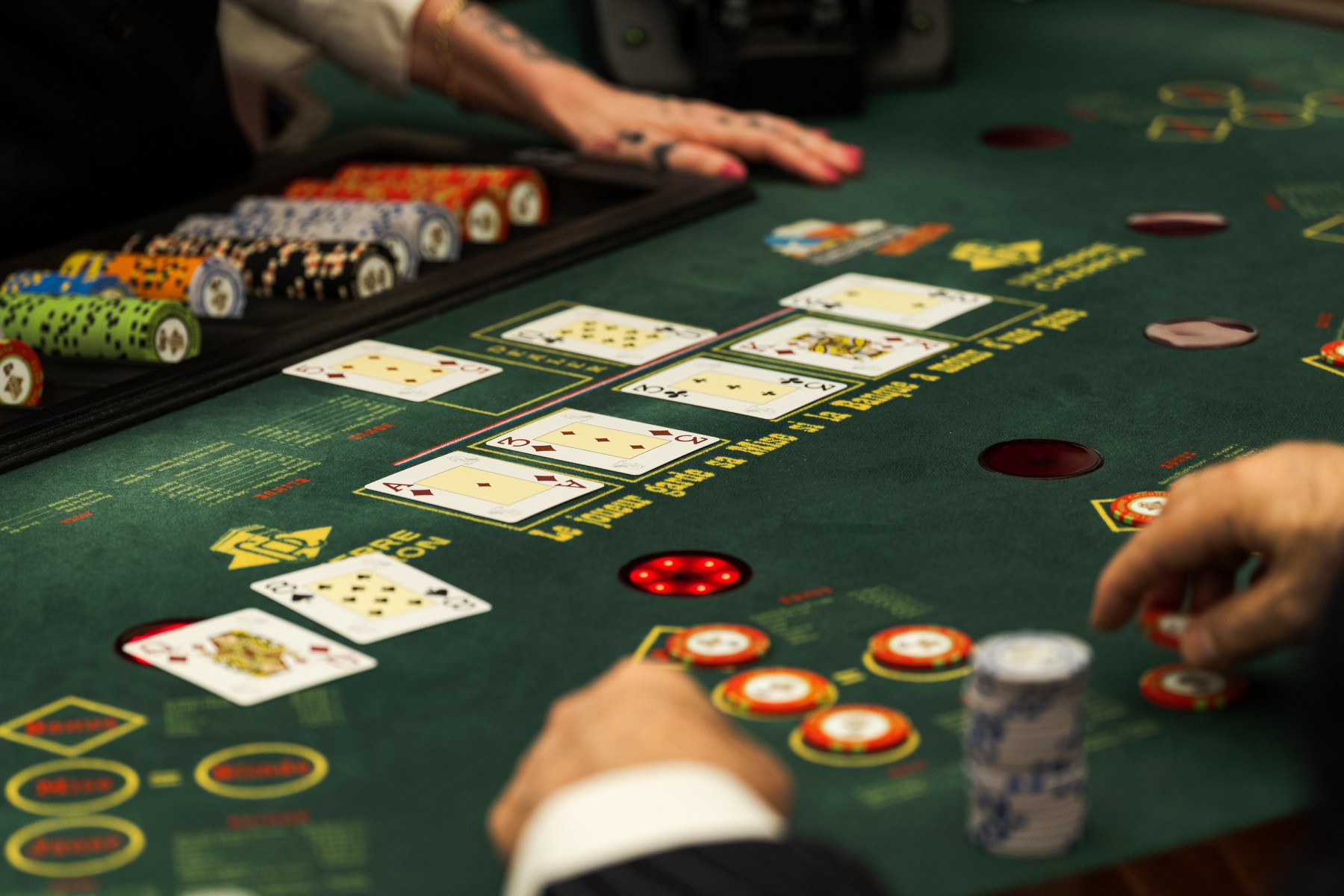
Moreover, the psychology of chance can lead to cognitive biases that further fuel this behavior. For instance, the ‘gambler’s fallacy’ makes players feel that past outcomes can influence future results, leading them to place bets based on perceived trends. This misunderstanding of probability can be both exhilarating and dangerous, as it can encourage riskier behavior in the pursuit of a win.
The Role of Rewards and Reinforcement
Cognitive psychology highlights the importance of rewards in shaping behavior, and this principle is ever-present in casino environments. Players are often motivated by the prospect of immediate rewards, such as free spins, bonus games, and jackpots. These incentives create positive reinforcement, which can compel players to return to the gaming floor time and time again. The anticipation of winning can be almost addictive, leading individuals to chase that “high” feeling.
Additionally, slot machines and table games are designed with an understanding of how rewards work neurologically. The variable ratio reinforcement schedule, where players receive rewards at unpredictable intervals, keeps their engagement high. This slot machine psychology can lead to prolonged gaming sessions, as players remain hopeful for that next big win, solidifying their commitment to return.
Behavioral Economics: The Illusion of Control
Behavioral economics plays a significant role in understanding why players engage with casino games. Many gamblers operate under the illusion of having some control over the outcome, especially in games that incorporate skill. This sense of control can boost confidence and enhance the gaming experience, even if the odds are stacked against them. Players may develop strategies or systems they believe will improve their chances, not realizing that many games are purely luck-based.
This illusion can lead players to make irrational decisions, often resulting in losses. The feeling of control can be intoxicating, overshadowing the reality that casino games are designed to favor the house. This disconnect between perception and reality is a fundamental aspect of gambling psychology that keeps players returning, often against their better judgment.
Social Influence and Community Dynamics
The social aspect of casino gaming cannot be overlooked. Many players are drawn to the communal environment of gambling establishments, where they can engage with friends or meet new people. This social interaction adds a layer of enjoyment that can often be just as compelling as the game itself. Whether it’s cheering for each other at the poker table or celebrating wins together, the camaraderie creates a sense of belonging and enhances the overall experience.
Moreover, social influences can significantly impact individual decisions regarding gambling. The presence of others can lead to increased stakes and risk-taking, as players may want to impress their peers or feel the pressure to keep up. This dynamic can create a snowball effect, encouraging individuals to wager more than they initially intended, which can have serious financial implications.

Exploring Insights at CSInvesting.org
At CSInvesting.org, we delve into the complexities of markets and human behavior, providing resources to help you make informed decisions. While our focus is primarily on investing, understanding the psychology behind casino gaming can also be beneficial for those navigating financial investments. The same cognitive biases and risk-taking behaviors prevalent in gambling can influence investment choices.
By engaging with our community, you can gain insights that enhance your understanding of not only the markets but also the psychological factors that drive decision-making. Join us on this journey to better equip yourself in your financial endeavors and navigate the complex landscape of investments effectively.